November 20, 2026
Retaining walls are essential components of landscaping and construction, providing structural support, preventing soil movement, and creating usable outdoor spaces. Beyond their practical purposes, these structures enhance property appearance and support creative landscape designs. However, their longevity depends heavily on proper drainage. Without effective water management, accumulated moisture can compromise structural integrity, resulting in cracking, shifting, and eventual failure. Understanding how drainage systems protect these structures helps homeowners and contractors make informed construction and maintenance decisions. Proper planning can significantly extend a wall's lifespan while reducing expensive repairs.
Understanding the Purpose of Retaining Walls
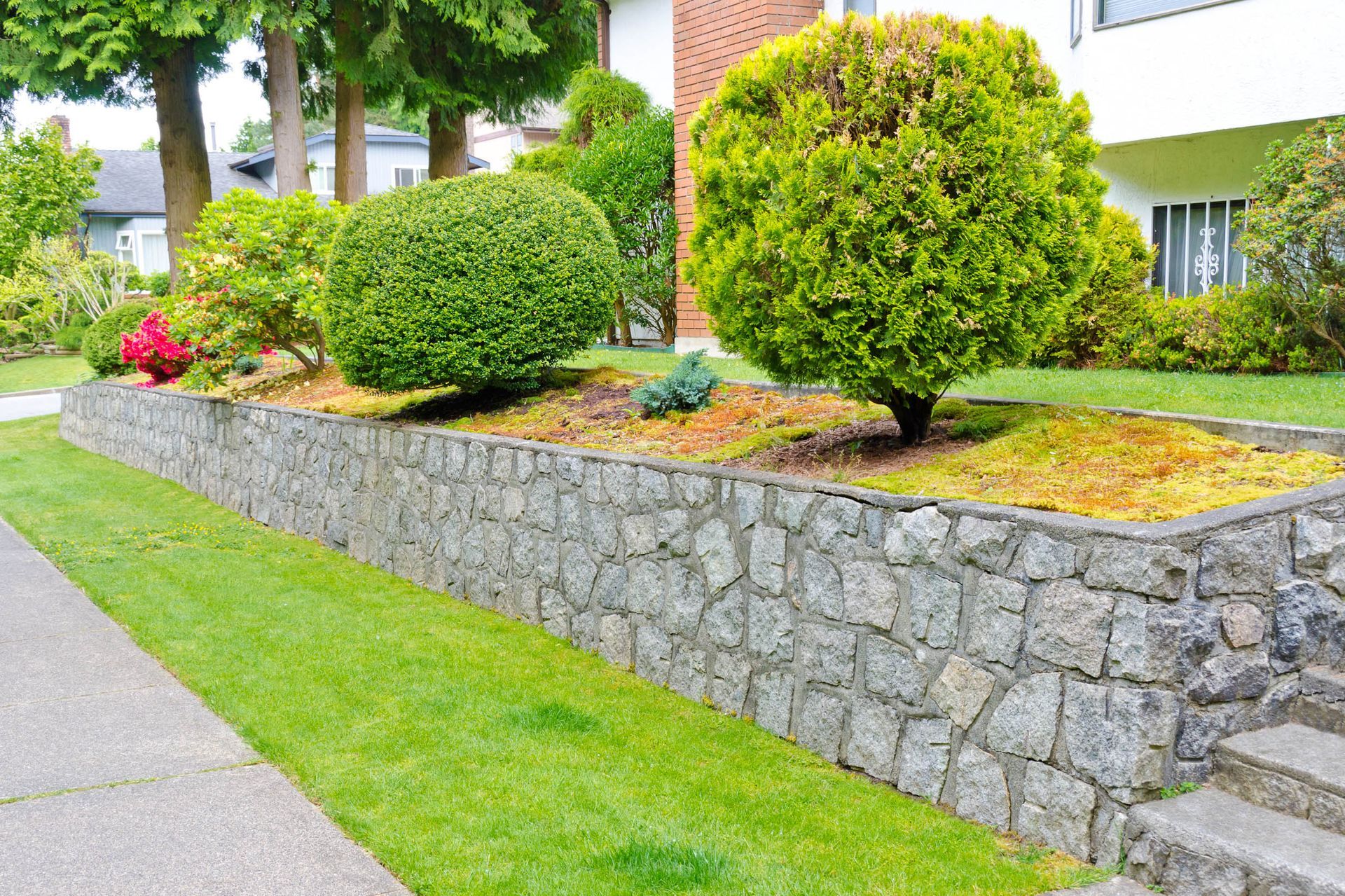
Retaining walls stabilize soil, prevent erosion, and create level surfaces on sloped properties. They allow homeowners to establish gardens, patios, walkways, and outdoor entertainment areas that might otherwise be difficult to construct. These structures also contribute to landscape organization by separating elevations and supporting surrounding terrain.
Common construction materials include concrete, natural stone, brick, timber, and modular blocks. Each material offers different advantages regarding durability, appearance, and maintenance requirements. Regardless of material selection, a retaining wall must withstand lateral soil pressure and environmental conditions. Proper structural engineering and drainage planning help distribute these forces safely while maintaining long-term stability.
Why Proper Drainage Is Essential
Water accumulation behind a retaining wall creates hydrostatic pressure, which increases the force exerted against its structure. As saturated soil becomes heavier, the additional pressure can cause leaning, cracking, or displacement. Without adequate drainage, even professionally constructed walls may experience premature deterioration.
Effective drainage allows excess moisture to escape before dangerous pressure develops. Gravel backfill, perforated pipes, and strategically positioned outlets help redirect water away from vulnerable areas. These systems also protect surrounding landscaping by minimizing erosion and maintaining soil stability. Incorporating drainage during initial construction is generally more practical and economical than correcting significant water problems afterward.
Preventing Hydrostatic Pressure and Soil Erosion
Hydrostatic pressure is among the leading concerns associated with inadequate drainage. When rainwater becomes trapped behind a structure, pressure gradually increases against the wall. Prolonged exposure can weaken connections, damage materials, and compromise foundational support. Installing appropriate drainage components reduces these risks by allowing water to move through designated channels.
Drainage also protects surrounding soil against erosion. Uncontrolled runoff can wash away supporting material, creating empty spaces beneath or behind the structure. Over time, these conditions contribute to settling and instability. A properly designed retaining wall drainage system manages moisture while preserving the surrounding landscape. Directing discharged water toward suitable outlets further prevents additional erosion elsewhere on the property.
Common Drainage Solutions for Long-Term Stability
Several drainage methods help protect landscaping structures against excessive moisture. Gravel backfill is particularly effective because its permeable composition allows water to move toward collection points. When installed behind the structure, gravel reduces water accumulation and supports consistent drainage. Filter fabric may also help prevent fine soil particles from clogging the drainage layer.
Perforated drainage pipes collect water and transport it toward appropriate discharge locations. These pipes typically require suitable placement, slope, and accessible outlets to function effectively. Weep holes provide another drainage option, allowing accumulated moisture to escape through designated openings in certain wall designs.
Modern construction projects may incorporate geosynthetic drainage materials to improve filtration and water movement. Combining compatible drainage techniques creates a comprehensive system that protects structural components while accommodating changing weather conditions.
How Drainage Protects Construction Materials
Excessive moisture can gradually damage materials used in outdoor construction. Concrete may develop cracks, timber can deteriorate through prolonged exposure, and masonry components may experience moisture-related damage. In colder climates, trapped water can freeze and expand, contributing to additional stress through freeze-thaw cycles.
Effective drainage reduces prolonged moisture exposure and helps preserve material strength. A properly maintained retaining wall benefits from reduced water pressure, improved soil stability, and fewer conditions that accelerate deterioration. Selecting weather-resistant materials and compatible drainage components further strengthens the structure's long-term performance. These preventive measures can reduce maintenance expenses while preserving the landscape's appearance.
Important Site Assessment and Design Considerations
Successful drainage planning begins with evaluating the property's unique characteristics. Soil composition, elevation changes, groundwater conditions, and natural runoff patterns influence system design. Sandy soils generally permit faster water movement, while clay-rich soils retain moisture and may require additional drainage considerations.
Climate also affects drainage requirements. Properties experiencing frequent rainfall, seasonal flooding, or freezing temperatures need systems capable of handling changing environmental conditions. Contractors must consider wall height, surrounding loads, foundation conditions, and available discharge locations when developing appropriate solutions.
Local building regulations may establish additional requirements concerning construction methods, drainage discharge, and structural engineering. Professional assessment helps ensure that a retaining wall design addresses these considerations while supporting safe and dependable performance.
Regular Maintenance and Drainage Inspections
Routine inspections are essential for identifying drainage problems before they become serious structural concerns. Property owners should examine visible surfaces for cracks, leaning, unusual moisture accumulation, and signs of soil erosion. Drainage outlets and weep holes should also be checked for debris that could obstruct water movement.
Leaves, sediment, and plant roots can gradually interfere with drainage performance. Clearing accessible outlets and maintaining appropriate landscape grading helps preserve effective water flow. Inspections following heavy rainfall are particularly valuable because they reveal pooling, unexpected runoff patterns, and other developing problems.
Professional evaluations may be necessary when structural movement or persistent drainage issues appear. Addressing minor concerns promptly helps prevent more extensive deterioration and supports long-term reliability.
Seasonal Weather and Drainage Performance
Changing seasons create different challenges for outdoor drainage systems. Heavy spring rainfall can saturate surrounding soil, while summer storms may produce sudden runoff that overwhelms poorly designed outlets. During autumn, falling leaves and organic debris can obstruct drainage openings and reduce system efficiency.
Winter introduces additional concerns in regions experiencing freezing temperatures. Water trapped within soil or construction materials may expand during freezing conditions, creating pressure and contributing to structural damage. Seasonal maintenance should include checking drainage pathways, removing accumulated debris, and evaluating nearby grading.
Preparing drainage systems before periods of severe weather helps reduce unexpected problems. Consistent seasonal attention protects structural stability and supports dependable performance throughout the year.
Long-Term Financial Benefits of Effective Drainage
Although installing comprehensive drainage components increases initial construction expenses, these investments can provide meaningful long-term savings. Proper water management reduces the likelihood of structural failure, extensive repairs, and premature replacement. It also helps protect nearby patios, walkways, gardens, and other landscaping features from moisture-related damage.
Effective drainage can preserve property appearance and maintain the functionality of outdoor spaces. According to Earthworks Landscaping insights, thoughtfully designed landscape structures can help maximize usable backyard space. Combining attractive construction with dependable drainage allows property owners to enjoy these improvements for longer periods.
Preventive maintenance further strengthens the financial benefits by identifying small issues before they require substantial corrective work. Investing in appropriate drainage solutions ultimately supports both property protection and lasting landscape value.
Ensuring Lasting Structural Performance
Proper drainage is fundamental to the durability, safety, and functionality of landscape support structures. By controlling hydrostatic pressure, reducing erosion, and protecting construction materials, effective water management significantly improves long-term performance. Gravel backfill, drainage pipes, weep holes, and appropriate grading work together to minimize moisture-related risks.
Successful results depend on careful site assessment, professional construction practices, and consistent maintenance. Homeowners should monitor drainage performance and address warning signs before structural damage develops. With thoughtful planning and ongoing attention, a retaining wall can provide dependable soil stabilization, attractive landscaping, and valuable outdoor functionality for many years. Contact Belle Landscape Construction Inc today and learn more about our retaining wall services.